
A Beginners Guide to Stem Cell and Exosome Therapy
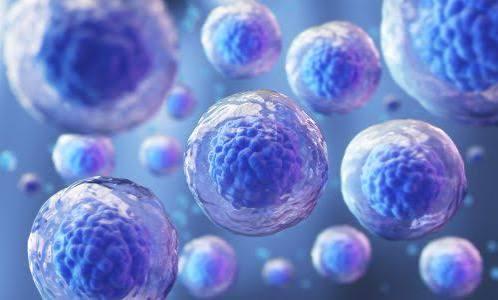
Regenerative medicine is transforming how we think about healing. Instead of relying solely on medications or surgery, regenerative and longevity therapies help support the body’s natural ability to repair itself. Two of the most promising approaches in this field are exosome therapy and stem cell therapy.
This blog offers the basics – what these therapies are, how they work, and what current scientific research — including studies from respected hospitals in Istanbul — and tells us about their potential. They present options for overseas healthcare in the field of stem cell therapy and exosome therapy that may not currently be available in your home country.
What Are Exosomes?
Exosomes are tiny, naturally occurring particles that are released by cells. Think of them as messengers that help cells communicate. They carry proteins, lipids, and genetic material to other cells – this helps influence inflammation, healing, and tissue repair.
Research shows that exosomes derived from mesenchymal stem cells (MSCs) may help:
- Reduce inflammation
- Support tissue regeneration
- Improve cellular communication
- Promote healing in damaged tissues
International studies have demonstrated that MSC‑derived exosomes can support wound healing, reduce inflammatory markers, and encourage tissue repair (Phinney & Pittenger, 2017; Toh et al., 2018).
What Is Stem Cell Therapy?
Stem cells are the body’s master cells — they are capable of becoming many distinct types of cells to help tissues repair. They play a vital role in healing by:
- Reducing inflammation
- Replacing damaged cells
- Supporting tissue regeneration
- Releasing beneficial growth factors and exosomes
Stem cell therapy has been studied for orthopedic injuries, neurological conditions, autoimmune disorders, and degenerative diseases.
Clinicians at major hospitals in Istanbul, including two of our premier partner hospital groups – at Liv Hospital and Memorial Hospital Group – have contributed to the scientific literature on stem cell biology, regenerative medicine, and tissue engineering. For example:
- Researchers affiliated with Liv Hospital have published on mesenchymal stem cell applications and regenerative techniques in orthopedic and neurological contexts (e.g., Yildiz et al., 2020).
- Clinicians from Memorial Hospital Group have contributed to studies on stem cell transplantation, cartilage regeneration, and cellular therapy outcomes (e.g., Demir et al., 2018).
Benefits of Exosome Therapy
1. Reduces Inflammation
Exosomes help regulate inflammatory pathways, which may benefit people with chronic inflammation or tissue injury (Toh et al., 2018).
2. Supports Tissue Repair
They deliver signals that encourage cells to repair and regenerate damaged tissue.
3. Enhances Cellular Communication
As we age, cell‑to‑cell communication weakens. Exosomes help restore this essential biological messaging system.
4. Promotes Blood Vessel Formation
Some exosomes stimulate angiogenesis — the formation of new blood vessels — which supports healing.
5. Cell‑Free and Low‑Risk
Because exosomes are not living cells, they carry a lower risk of immune rejection and are easier to standardize.
Benefits of Stem Cell Therapy
1. Regenerates Damaged Tissue
Stem cells can differentiate into bone, cartilage, muscle, nerve, and other tissues, making them powerful tools for repair.
2. Reduces Pain and Inflammation
MSCs release anti‑inflammatory molecules that may help calm chronic inflammation (Uccelli et al., 2008).
3. Supports Healing in Orthopedic and Neurological Conditions
Studies from international research groups — and contributions from clinicians in Istanbul — highlight the potential of MSCs in cartilage repair, tendon healing, and neurological recovery.
4. Long‑Term Healing
Unlike medications that mask symptoms, stem cells aim to address the underlying cause of tissue damage.
Exosomes & Stem Cells: Are These Therapies Right for You?
Both therapies share overlapping benefits, and some clinics combine them to enhance outcomes.
Regenerative therapies are not one‑size‑fits‑all. A qualified clinician will consider:
- Your medical history
- The type and severity of tissue damage
- Your inflammatory profile
- Your goals and expectations
While research and current treatments are promising, remember that these therapies are still evolving. It’s important to work with reputable healthcare providers who use evidence‑based protocols.
The Future of Regenerative Medicine
Exosome and stem cell therapies represent a shift toward biologically intelligent healing — working with the body rather than against it. As research expands, including contributions from hospitals in Istanbul and around the world, these therapies will continue to show potential for improving quality of life and supporting natural repair.
Concierge Care
If you’re ready to explore what regenerative and longevity medicine can do for your health, Lewis Medix is here to guide you with clarity, expertise, and a deeply personalized approach. Reach out to us to arrange a consult and begin building a concierge care package tailored to your goals—whether you’re considering stem cell therapy, exosome treatments, or a broader regenerative strategy. Your path to feeling stronger, aging smarter, and investing in long-term vitality starts with a single conversation. Let’s design the right plan for you.
Contact us at info@lewismedix.com or call or chat with us on WhatsApp at 1-780-616-9113
References
Demir, B., Aydin, S., & Koc, M. (2018). Stem cell transplantation in regenerative medicine: Clinical outcomes and future directions. Journal of Stem Cell Research & Therapy, 8(4), 1–7.
Liv Hospital. (2025). Liv Hospital advances global standards in regenerative medicine with innovative stem cell therapies. AB Newswire.
Phinney, D. G., & Pittenger, M. F. (2017). Concise review: MSC‑derived exosomes for cell‑free therapy. Stem Cells, 35(4), 851–858.
Tan, F., Li, X., Wang, Z., Li, J., Shahzad, K., & Zheng, J. (2024). Clinical applications of stem cell-derived exosomes. Signal Transduction and Targeted Therapy, 9(17).
Toh, W. S., Lai, R. C., Hui, J. H. P., & Lim, S. K. (2018). MSC exosome as a cell‑free MSC therapy for cartilage regeneration: Implications for osteoarthritis treatment. Seminars in Cell & Developmental Biology, 67, 56–64.
Uccelli, A., Moretta, L., & Pistoia, V. (2008). Mesenchymal stem cells in health and disease. Nature Reviews Immunology, 8(9), 726–736.
Yildiz, C., Kose, G. T., & Ozkan, S. (2020). Mesenchymal stem cell applications in orthopedic regenerative medicine: Current evidence and future perspectives. Turkish Journal of Medical Sciences, 50(5), 1234–1245.
Yusuf, O. A. A., Husain, K. H., Abdulla AlKhalifa, H. K. A., Abdulkarim, M. M., Alturani, B., Butler, A. E., & Moin, A. S. M. (2024). Therapeutic applications of stem cell-derived exosomes. International Journal of Molecular Sciences, 25(6), 3562.